The Sour Gas Imperative: Scaling Infrastructure for a Changing Energy Mix
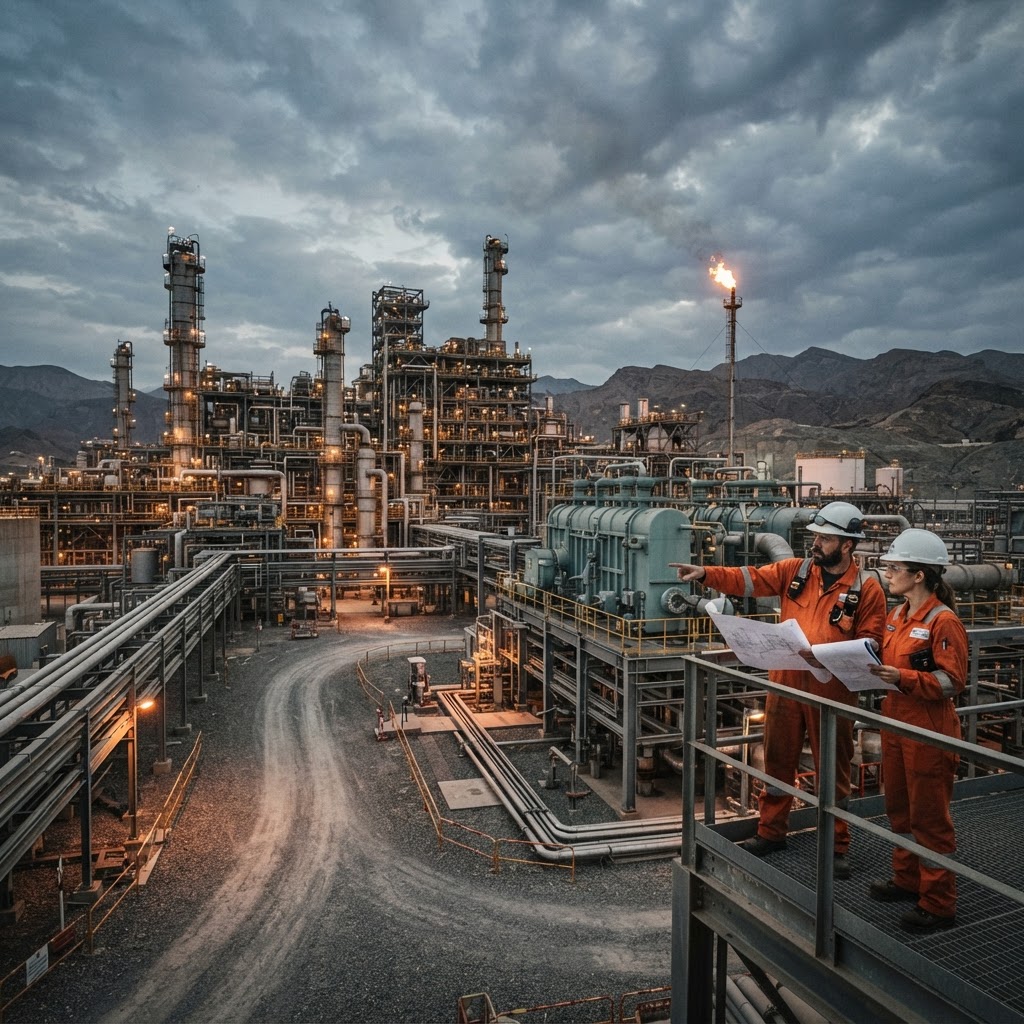
L&T’s recent ultra-mega contract win highlights a critical trend in the Middle East: the aggressive expansion of sour gas processing capabilities to meet rising domestic and export demand.
The recent announcement of an 'ultra-mega' contract awarded to Larsen & Toubro for sour gas compression and processing facilities in the Middle East is a bellwether for the regional energy sector. As global demand for natural gas continues to climb, the industry is increasingly forced to tap into more complex, high-sulfur reservoirs. This shift is not merely a technical challenge; it is a strategic necessity for nations looking to optimize their hydrocarbon portfolios while balancing domestic power requirements and export commitments.
Technical Complexity and EPC Excellence
Processing sour gas requires a level of engineering precision that few firms can deliver at scale. The integration of high-voltage substations—such as the 230 kV infrastructure mentioned in the recent L&T project—demonstrates the massive power requirements inherent in modern gas compression facilities. For project managers, the complexity lies in the intersection of metallurgy, safety, and environmental compliance. Managing hydrogen sulfide (H2S) at scale demands rigorous adherence to international safety standards and the deployment of advanced materials capable of withstanding highly corrosive environments.
The Role of Strategic Advisory
At Atticus Energy, we view these large-scale EPC projects as the backbone of the energy transition in the Middle East. While renewables are gaining ground, natural gas remains the essential bridge fuel. The ability to efficiently process sour gas allows regional players to extend the life of their fields and maintain market relevance. However, the success of these projects hinges on more than just engineering prowess; it requires meticulous project delivery frameworks that can navigate the current inflationary environment and supply chain constraints.
We advise our clients to focus on the integration of digital project management tools to monitor these mega-projects in real-time. By leveraging data-driven insights, operators can identify potential bottlenecks in the procurement of long-lead items and ensure that the commissioning phase is optimized for efficiency. As the Middle East continues to invest heavily in its hydrocarbon infrastructure, the focus must remain on delivering these complex assets on time and within budget, ensuring that the region remains a reliable supplier in an increasingly demanding global energy market.
Source: https://inspenet.com/en/news/lt-obtains-gas-compression-project-middle-eas