The Decommissioning Frontier: Lean Engineering in the North Sea’s Twilight
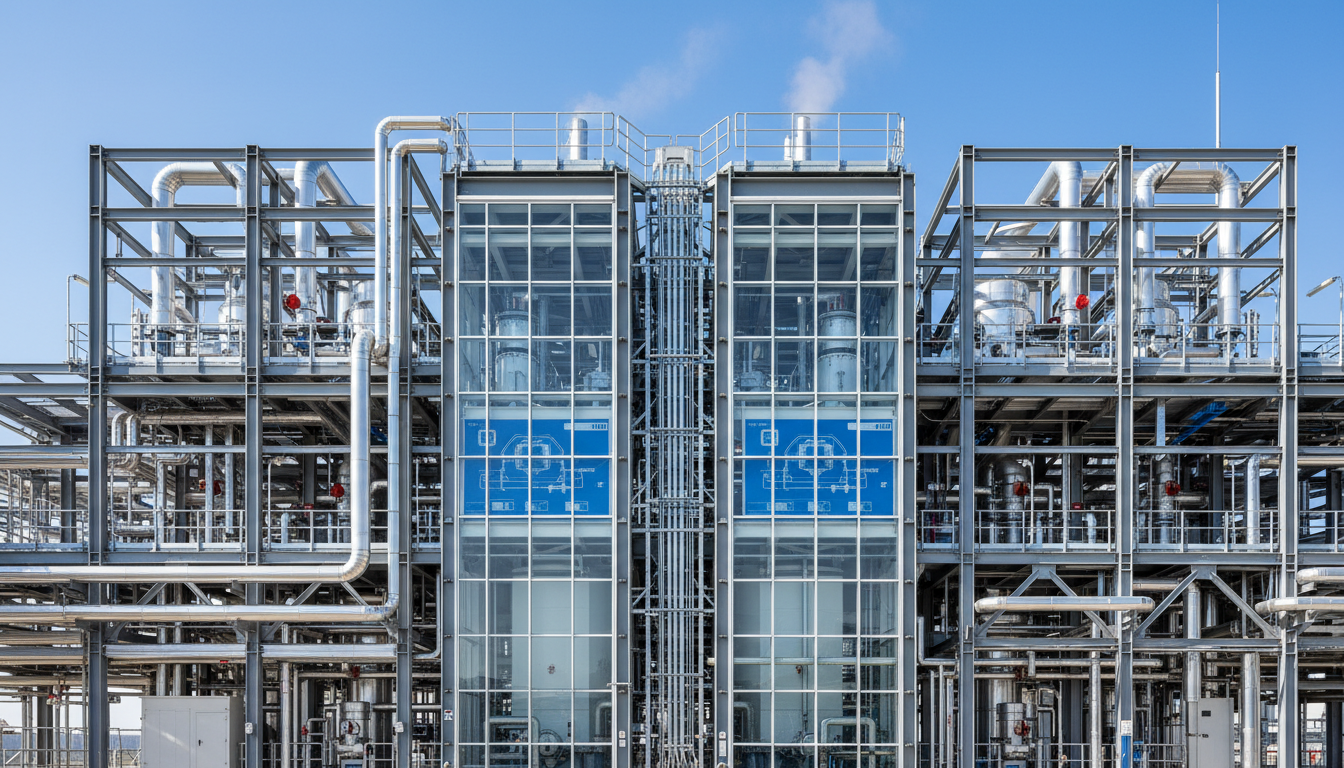
A major new subsea contract at the Foinaven field highlights the growing engineering complexity of North Sea decommissioning and the need for standardized, cost-effective delivery models.
The recent award of a significant subsea decommissioning contract by bp for the Foinaven field marks a pivotal moment in the North Sea’s transition. As one of the United Kingdom’s first deepwater developments, Foinaven represents a complex engineering puzzle that will set the precedent for future decommissioning activities across Europe’s mature basins. For engineering consultants, this project is a litmus test for the industry’s ability to manage high-risk asset retirements with precision and fiscal discipline.
From Cost Center to Value Stream
Traditionally, decommissioning has been viewed by operators as a pure liability—a necessary but expensive end-of-life obligation. However, the current landscape in 2026 demands a shift in mindset. By treating decommissioning as a specialized engineering discipline, we can apply lean methodologies to drive down costs. This involves the standardization of subsea cutting and retrieval tools, the use of automated digital twins to simulate removal sequences, and the optimization of vessel mobilization schedules.
The Technical Challenges of Subsea Repurposing
One of the most compelling aspects of modern decommissioning is the potential for asset repurposing. Before a structure is removed, a rigorous ‘life extension’ assessment is required to determine if it can support Carbon Capture and Storage (CCS) or offshore hydrogen production. This is where lean engineering meets the energy transition. At Atticus Energy, we emphasize that the most cost-effective decommissioning strategy is often one that avoids total removal in favor of strategic conversion. Evaluating the structural integrity of legacy subsea templates requires advanced non-destructive testing and a deep understanding of long-term material fatigue.
Managing Risk in the Assess Phase
The ‘Assess Phase’ of decommissioning is where the most value is won or lost. Detailed subsea mapping and debris clearance planning are essential to prevent costly delays during the actual execution. As we advise operators in the North Sea and beyond, the focus must remain on integrated project management. By bringing decommissioning experts into the room years before the cessation of production, we can ensure that late-life operations are conducted in a way that facilitates a seamless, safe, and lean transition to the removal or repurposing phase. The Foinaven project serves as a reminder that the end of an asset’s life is merely the beginning of a new engineering challenge.
Source: https://offshoredecom.asia/deepocean-wins-bp-subsea-decommissioning-contract-at-foinaven-field/