Securing the Frontier: Resilience Strategies for Europe’s Critical Gas Infrastructure
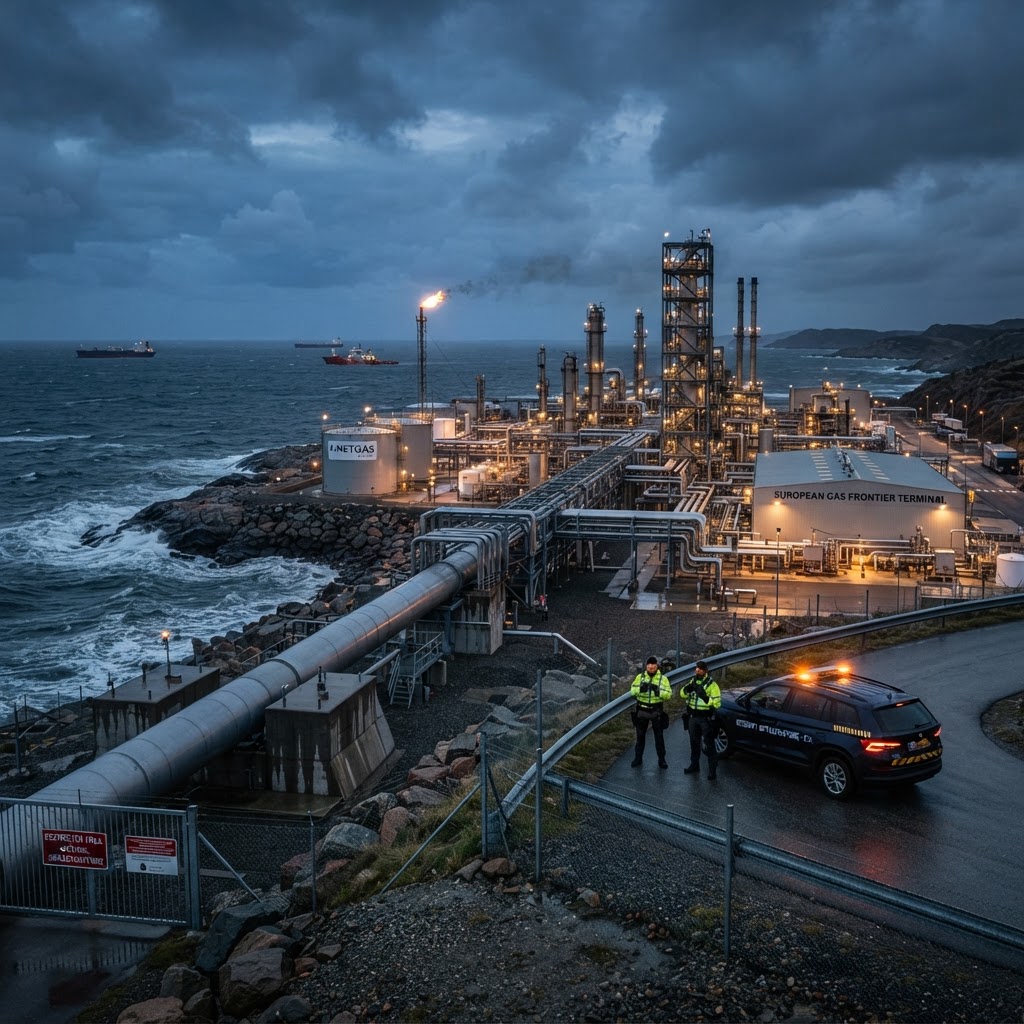
The recent security breach at the Neptun Deep gas field highlights the growing intersection of physical security and engineering resilience in Europe’s energy landscape.
Asymmetric Threats and Infrastructure Integrity: Lessons from Neptun Deep
The recent security incident at the Neptun Deep gas field in the Black Sea, where a sea drone carrying explosives was detected within hundreds of meters of a production platform, serves as a stark wake-up call for the European energy sector. As detailed by [CEENERGYNEWS](https://ceenergynews.com/oil-gas/drone-neptun-deep-gas-field/), this event highlights a growing vulnerability in critical infrastructure that transcends traditional mechanical or process safety risks. For energy consultants and project developers, the "Neptun incident" signifies that physical security must now be a core component of the engineering design process, rather than an operational afterthought.
In the current geopolitical climate, Europe’s push for energy independence relies heavily on offshore assets in the Black Sea and the North Sea. These assets are increasingly targeted by asymmetric threats that traditional defense mechanisms are ill-equipped to handle. From an engineering standpoint, this requires a fundamental rethink of how we design and protect offshore hubs. We are advocating for the integration of advanced sensor arrays, automated threat detection, and reinforced structural designs that can withstand external impacts. The goal is to build "resilient infrastructure" that can maintain operations—or at least fail safely—under duress.
Moreover, this incident underscores the "Energy Trilemma" facing Europe: the need to balance security, affordability, and sustainability. While the transition to renewables is the long-term goal, the immediate reliance on domestic gas fields like Neptun Deep is a matter of economic survival. If these assets are perceived as high-risk, the cost of insurance and capital will skyrocket, potentially stalling further development. Therefore, strategic advisory must now include comprehensive threat assessments that bridge the gap between military-grade security and commercial engineering standards.
As we look toward the future of European energy project delivery, the focus must shift toward holistic risk management. This involves not only the physical hardening of assets but also the implementation of robust cyber-physical security protocols. The Neptun Deep drone approach is not an isolated event; it is a harbinger of a new era of operational risk. Engineering firms that can successfully navigate this intersection of security and technology will be the ones to lead Europe toward a more secure and resilient energy future.
Source: https://ceenergynews.com/oil-gas/drone-neptun-deep-gas-field/