Beyond the Transition: The Strategic Imperative of Mature Asset Optimization in the North Sea
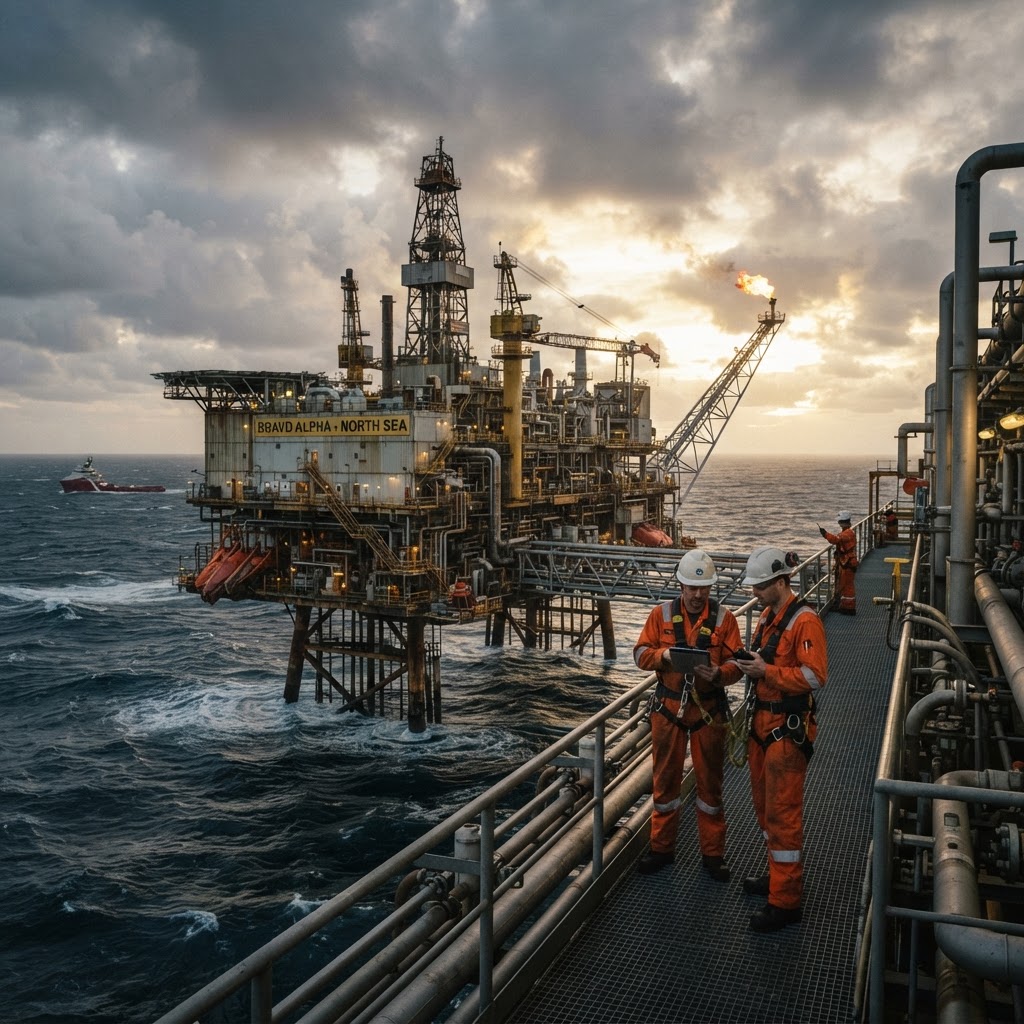
Europe’s energy security now rests on the ability to extend the life of mature North Sea assets through digital twins and AI-driven lean engineering practices.
Europe’s energy security strategy has entered a mature and highly disciplined phase, characterized by an 'efficiency first' mantra that governs both capital and carbon. Following the volatility of the past few years, the summer of 2026 has seen a relative stabilization in the markets, but this stability exists atop a significantly higher baseline for operational costs and environmental scrutiny. For North Sea operators, the challenge is now twofold: maintaining critical production from mature fields to ensure regional security while adhering to the most stringent environmental mandates found anywhere in the world. This high-pressure environment is the ultimate proving ground for advanced, lean project delivery methods.
Digital Twins and Asset Life Extension
We are observing a significant and necessary uptick in the utilization of high-fidelity Digital Twins and AI-driven predictive maintenance. These tools are being used to extend the operational life of offshore platforms that, under the economic models of five years ago, would have been slated for immediate decommissioning. From our perspective as strategic advisors, 'Asset Life Extension' (ALE) has moved from a secondary consideration to a primary strategic pillar for European E&P firms. By leveraging lean engineering principles, we can identify the marginal gains in offshore logistics, subsea tie-backs, and power-from-shore configurations that collectively lower the carbon intensity of a barrel of oil to record-breaking lows.
Navigating the Regulatory Horizon
Furthermore, the European market is currently setting the global pace for how the energy transition is financed. Capital investment is no longer a simple calculation of Internal Rate of Return (IRR); it is now intrinsically linked to an asset’s specific carbon trajectory and its potential for future repurposing. At Atticus Energy, we consistently advise our clients that the path to long-term resilience lies in technical agility and data transparency. The integration of renewable energy sources, such as floating offshore wind, to power traditional oil and gas assets is no longer a fringe conceptual study but a central component of the modern engineering blueprint. Those who can navigate this regulatory and technical complexity with a lean, specialized approach are the ones who will lead the next decade of European energy security.
Source: https://www.upstreamonline.com/2026/07/18/north-sea-efficiency-trends