The Digital Backbone of the Caspian: Lessons from Shah Deniz
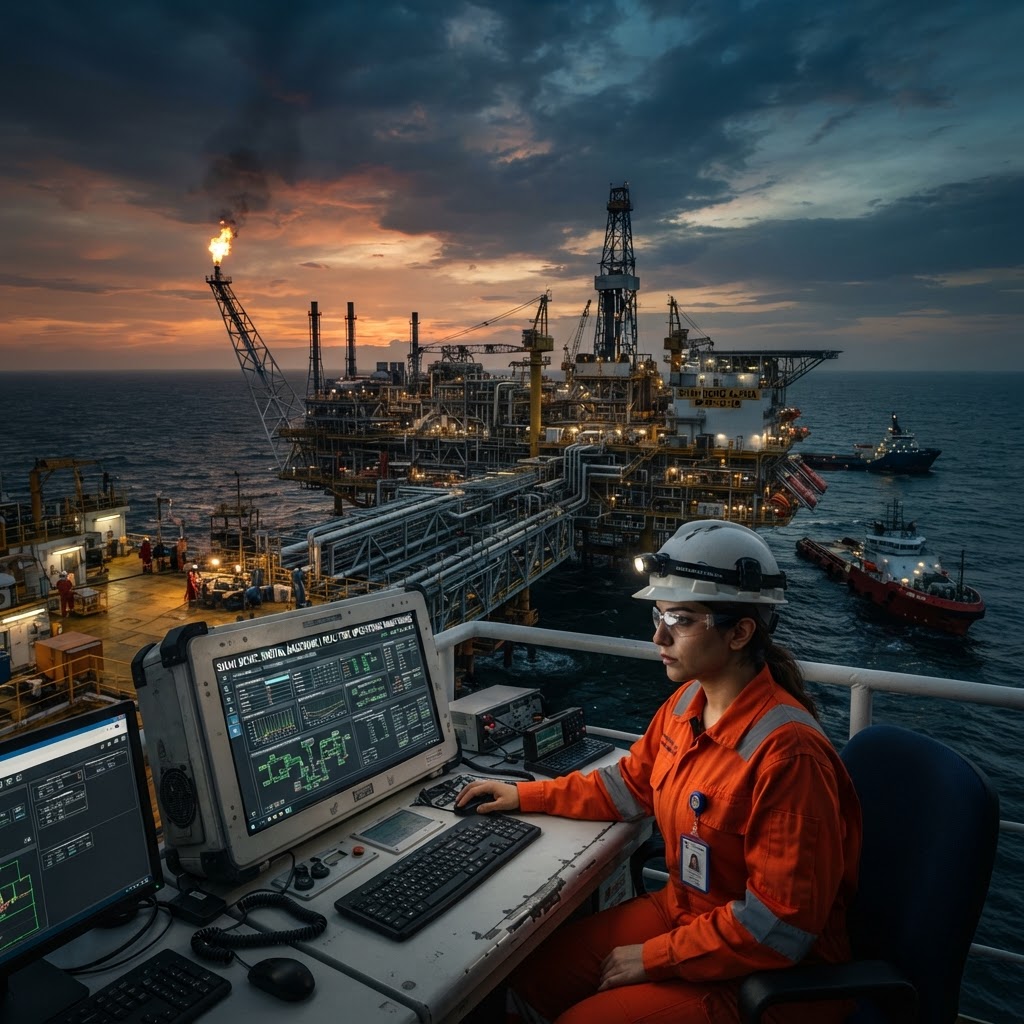
As bp awards a major automation contract for the $2.9 billion Shah Deniz project, we examine how digital integration is becoming the primary de-risking tool for complex offshore assets in Europe and Central Asia.
The recent announcement that bp has awarded Emerson a multi-million-dollar automation contract for the $2.9 billion Shah Deniz Compression project in the Caspian Sea is more than just a routine procurement update. For those of us in the strategic advisory space, it signals a deepening commitment to the 'digital-first' philosophy in offshore project delivery. As the industry grapples with the dual pressures of energy security and decarbonization, the role of advanced automation in maximizing the lifecycle value of complex assets has never been more critical.
The Shah Deniz field, a cornerstone of the Southern Gas Corridor, represents one of the most technically demanding environments in the global energy landscape. In such settings, the margin for error is razor-thin. By integrating sophisticated automation and control systems at the compression stage, bp is effectively building a digital nervous system for the asset. This allows for real-time data analytics, predictive maintenance, and, crucially, the ability to optimize production flows with minimal human intervention—a core tenet of lean engineering.
The Shift Toward Operational Resilience
At Atticus Energy, we often advise clients that the true value of automation lies not in the hardware itself, but in the operational resilience it provides. In the Caspian, where logistical constraints can turn minor equipment failures into multi-week outages, the ability to monitor and adjust systems remotely is a game-changer. This contract highlights a broader trend in European and Central Asian energy projects: the transition from traditional, reactive maintenance models to proactive, data-driven strategies that safeguard capital investment.
Furthermore, the scale of the Shah Deniz project—a $2.9 billion undertaking—underscores the necessity of 'right-first-time' engineering. Automation systems are no longer an afterthought; they are the foundation upon which project certainty is built. For stakeholders, this means lower long-term OPEX and a significantly reduced carbon footprint through optimized energy use during the compression process. As we look toward the future of the European gas market, the success of Shah Deniz will likely serve as a blueprint for how digital integration can de-risk the next generation of mega-projects.
Source: https://worldoil.com/news