The Low-Carbon LNG Blueprint: Unpacking ADNOC’s Ruwais Milestone
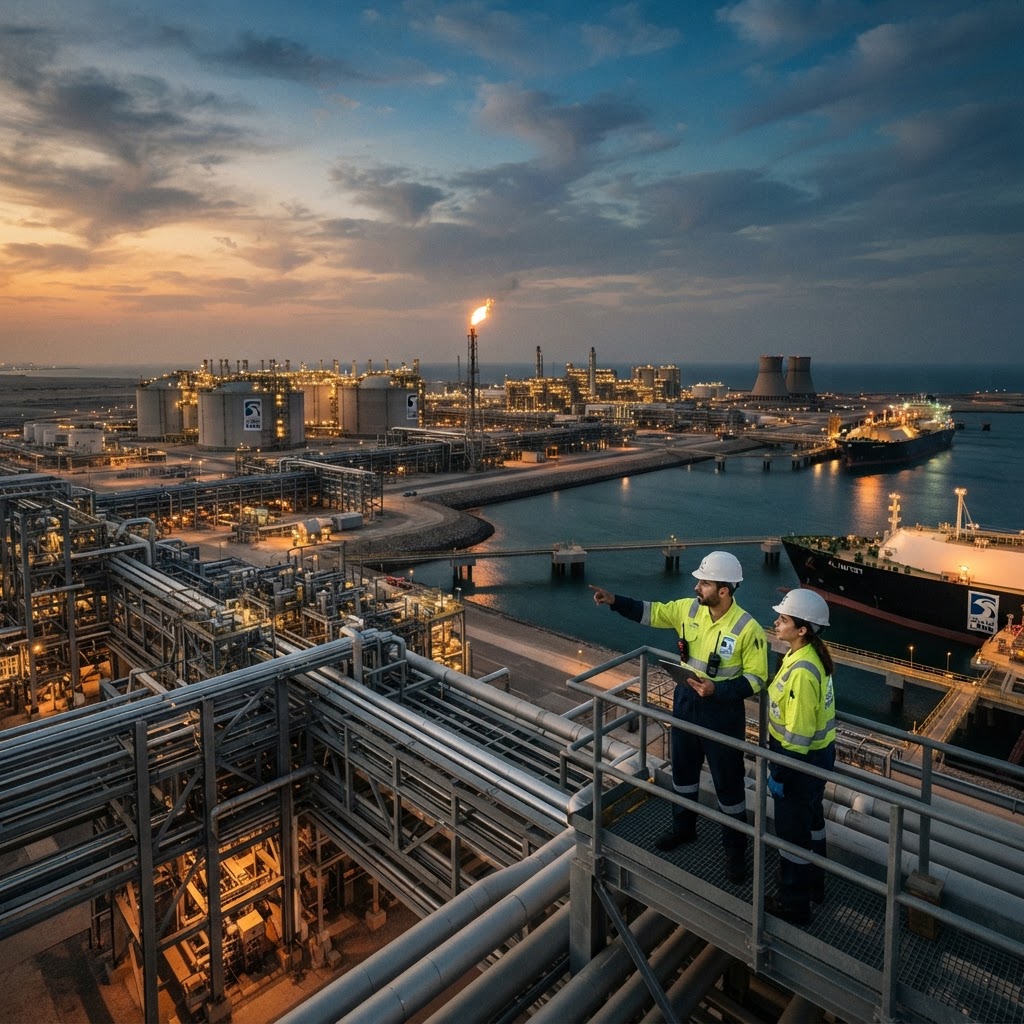
With the Ruwais LNG project now over 90% committed following the INPEX deal, we examine how lean engineering and electric-drive technology are redefining the competitive landscape for Middle Eastern gas exports.
The recent announcement that ADNOC has secured a 15-year supply agreement with Japan’s INPEX marks a watershed moment for the Ruwais LNG project. With more than 90% of the facility’s 9.6 mmtpa capacity now committed to long-term buyers, the project has transitioned from an ambitious vision to a cornerstone of global energy security. At Atticus Energy, we view this not merely as a commercial success, but as a validation of a new engineering paradigm in the Middle East: the 'Low-Carbon Mega-Project.'
Engineering for the Transition
From a project delivery perspective, Ruwais LNG stands out due to its departure from traditional design. By utilizing electric-driven compressors—powered by the UAE’s nuclear and renewable grid—rather than conventional gas turbines, the facility significantly slashes Scope 1 and 2 emissions. For the engineering consultant, this shift requires a complete rethink of plant architecture. The integration of high-voltage electrical infrastructure and digital twin technologies for energy optimization represents the 'lean engineering' approach we advocate. It minimizes the operational footprint while maximizing long-term asset value in a world where carbon intensity is becoming a primary metric for buyers.
The Strategic Pivot of the NOC
Strategically, ADNOC’s ability to book 90% of its capacity two years before commercial operations begin reflects a masterful de-risking strategy. By bringing in international partners like Shell, BP, and TotalEnergies early, ADNOC has effectively distributed capital risk while securing technical expertise. For our clients in the GCC, the takeaway is clear: the era of the 'pure-play' oil producer is over. The successful National Oil Company of 2026 is an integrated energy provider that leverages domestic resources to produce carbon-competitive molecules for a global market. This requires not just engineering prowess, but a sophisticated advisory approach to market timing and partnership structures.
As we look toward the 2028 start-up, the focus must now shift to operational excellence. The complexity of managing an all-electric liquefaction plant at this scale is unprecedented in the region. Success will depend on the robust integration of AI-driven maintenance and a resilient power supply chain. For investors and developers, Ruwais is no longer just a project to watch; it is the blueprint for the next generation of energy infrastructure in the Middle East.