The Precision of Power: Engineering the Next Generation of LNG at Ruwais
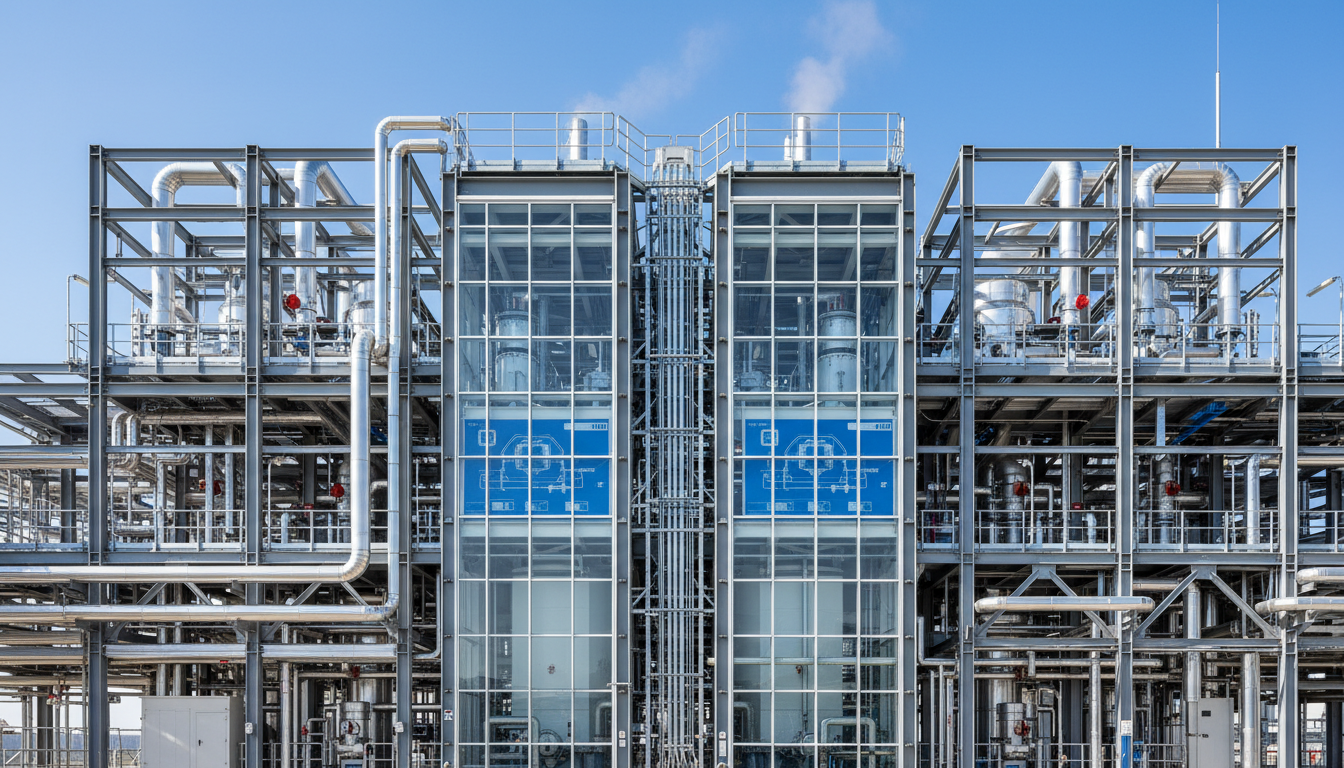
ADNOC's recent FID on the Ruwais LNG project signals a technical revolution in the GCC, prioritizing electric-drive liquefaction and lean modular construction.
The Precision of Power: Engineering the Next Generation of LNG
The recent announcement regarding the Final Investment Decision (FID) for the Ruwais LNG project in the United Arab Emirates marks a seminal moment for the Middle Eastern energy landscape. From an engineering perspective, this project is not merely an expansion of capacity; it represents a fundamental shift in how we design and deliver large-scale hydrocarbon infrastructure. As consultants at Atticus Energy, we observe that the technical specifications of these new-generation facilities reflect a dual priority: maximized throughput and minimized carbon intensity.
The core innovation lies in the transition to electric-drive (e-drive) liquefaction trains. Traditionally, LNG facilities have relied on gas turbines for mechanical drive, which, while effective, contribute significantly to the site's carbon footprint. By utilizing clean grid power—potentially sourced from nuclear or solar capacity—the Ruwais facility aims to become one of the lowest-carbon-intensity LNG plants globally. For the engineering community, this transition necessitates a total rethink of power system architecture. Grid stability, backup generation strategies, and high-voltage integration become the primary challenges, superseding traditional rotating equipment concerns.
Furthermore, the 'Lean Engineering' philosophy that Atticus Energy champions is critical here. In an era of high interest rates and global supply chain volatility, project delivery teams cannot afford the bloated engineering cycles of the past. We are seeing a move toward 'standardization over customization.' By utilizing modular design principles, the engineering phase can be compressed, and procurement risk can be mitigated. The Ruwais project serves as a case study in how GCC national oil companies are professionalizing project management to meet aggressive timelines without compromising on ESG targets.
Successfully delivering these complex interfaces requires a new breed of Integrated Project Teams (IPTs). The traditional silos between the owner's team and the EPC (Engineering, Procurement, and Construction) contractor are being dismantled in favor of collaborative, data-centric environments. This ensures that long-lead items are secured early and that the engineering design remains frozen—a vital component of lean delivery. As we look toward 2030, the success of such projects will depend on the ability of strategic advisors and lead engineers to manage the interface between traditional oil and gas expertise and emerging electrical engineering requirements. The project delivery model is changing, and those who can navigate this nexus of power and molecules will lead the market.
Source: https://www.reuters.com/business/energy/adnoc-advances-ruwais-lng-2026-06-20/